What is Flood Control Dredging?
Flood control dredging is a critical engineering practice involving the removal of sediments, debris, and other accumulated materials from riverbeds, canals, and waterways. This process deepens and widens the channels, thereby increasing their capacity to carry water, especially during periods of heavy rainfall. By enhancing the flow efficiency of water bodies, dredging significantly reduces the risk of overflow and subsequent flooding in surrounding areas. It is a proactive measure designed to maintain the hydraulic integrity of water systems and protect communities from the devastating impacts of inundation.
Why is it Urgent in Nigeria?
Nigeria, particularly regions like Lagos and the Niger Delta, faces persistent and severe flooding due to a combination of heavy seasonal rains, rising sea levels, rapid urbanization, and inadequate drainage infrastructure. The natural accumulation of silt and sand in rivers and canals exacerbates this problem, reducing their water-carrying capacity and leading to frequent overflows. The urgency for effective flood control dredging in Nigeria stems from the need to safeguard lives, protect properties, preserve agricultural lands, and ensure the continuity of economic activities that are often disrupted by floods. Regular dredging is essential to mitigate these recurring disasters and build resilient communities.
How Does River Desilting Work?
River desilting, a core component of dredging, involves specialized equipment such as cutter suction dredgers, grab dredgers, and trailing suction hopper dredgers. These machines excavate accumulated silt, sand, and other debris from the riverbed. The removed material, often referred to as spoil, is then transported via pipelines or barges to designated disposal sites. The process is carefully planned to minimize environmental disruption while maximizing the hydraulic efficiency of the river. Modern desilting operations often incorporate environmental considerations, such as beneficial reuse of dredged material for land reclamation or beach nourishment, and employing techniques to reduce turbidity.
Types of Flood Mitigation Dredging?
Flood mitigation dredging encompasses several types, each tailored to specific environmental and hydrological conditions:
- Maintenance Dredging: This is the most common type, performed regularly to remove newly accumulated sediments and maintain the designed depth and width of waterways. It is crucial for preventing the gradual reduction of water-carrying capacity.
- Capital Dredging: Undertaken to create new waterways, deepen existing ones for navigation, or significantly alter the hydraulic profile of a river. This type often involves removing large volumes of material and can be part of major infrastructure projects.
- Environmental Dredging: Focused on removing contaminated sediments to improve water quality and ecosystem health. While primarily environmental, it can also contribute to flood control by restoring natural flow regimes.
- Emergency Dredging: Conducted in response to immediate threats, such as after a major flood event, to clear blockages or restore critical drainage paths quickly.
What is the Cost in Nigeria?
The cost of river dredging and canal clearing in Nigeria varies significantly based on several factors, including the scale of the project, the type of material to be dredged, the depth and width of the channel, accessibility, and disposal requirements. General estimates for canal clearing can range from ₦2 million to ₦10 million+ per kilometer. For larger river dredging projects, costs can escalate considerably due to the specialized equipment and logistical challenges involved.
Key Cost Factors in Nigeria?
Several key factors influence the overall cost of dredging projects in Nigeria:
- Mobilization and Demobilization: The cost of transporting heavy dredging equipment to and from the project site.
- Volume and Type of Material: The quantity of sediment to be removed and its composition (e.g., sand, silt, clay, rock) directly impact the time and effort required.
- Dredging Depth and Width: Deeper and wider channels require more extensive work and specialized dredgers.
- Disposal Site Distance: The proximity of suitable disposal sites for dredged material significantly affects transportation costs.
- Environmental Regulations: Compliance with environmental impact assessments and mitigation measures can add to the project cost.
- Fuel and Labor Costs: These operational expenses are major components of any dredging project.
Benefits of Regular Canal Clearing?
Regular canal clearing offers numerous benefits for flood control and environmental management:
- Enhanced Water Flow: Prevents blockages and ensures efficient drainage, reducing the likelihood of water accumulation and flooding.
- Increased Waterway Capacity: Restores the original design capacity of canals and rivers, allowing them to handle higher volumes of water during peak seasons.
- Reduced Flood Risk: Directly mitigates flood events, protecting communities, infrastructure, and agricultural lands.
- Improved Water Quality: Removes accumulated pollutants and stagnant water, contributing to healthier aquatic ecosystems.
- Navigation: Maintains navigable depths for boats and barges, supporting local economies and transportation.
- Erosion Control: Can be combined with bank stabilization techniques to prevent erosion and maintain channel integrity.
Common Flood Control Mistakes?
Despite the clear benefits, several common mistakes can undermine flood control efforts:
- Infrequent Maintenance: Neglecting regular dredging and clearing allows sediments to re-accumulate, negating previous efforts.
- Inadequate Planning: Failing to conduct thorough hydrological studies and environmental impact assessments before commencing projects.
- Over-reliance on Single Solutions: Depending solely on one flood control method (e.g., dredging) without considering a holistic approach that includes embankments, drainage expansion, and land-use planning.
- Improper Disposal of Dredged Material: Disposing of spoil in environmentally sensitive areas or in ways that can cause further siltation downstream.
- Lack of Community Engagement: Failing to involve local communities in planning and maintenance, leading to unsustainable practices.
How to Choose a Provider in Nigeria?
Selecting the right dredging and flood mitigation provider in Nigeria is crucial for project success. Key considerations include:
- Experience and Expertise: Look for companies with a proven track record in similar projects within Nigeria, especially in challenging environments like the Niger Delta.
- Equipment and Technology: Ensure the provider has access to modern, efficient, and well-maintained dredging equipment suitable for the project's scope.
- Environmental Compliance: Choose a company that adheres to national and international environmental standards and best practices.
- Safety Records: Prioritize providers with strong safety protocols and a commitment to worker and community safety.
- References and Reputation: Request client references and assess the company's reputation for reliability and quality of work.
- Cost-Effectiveness: While not the sole factor, compare bids and ensure transparency in pricing and project deliverables.
Comparison Table: Dredging vs. Embankments vs. Drainage Expansion
| Method | Description | Advantages | Disadvantages | Suitability |
| Dredging | Removal of sediment and debris from waterways to increase capacity. | Immediate increase in water flow, restores natural channel depth. | Can disturb aquatic ecosystems, requires regular maintenance. | Rivers, canals, urban drainage systems with heavy siltation. |
| Embankments (Levees/Dikes) | Construction of raised banks along rivers to contain floodwaters. | Highly effective for protecting specific areas, can be cost-efficient for long stretches. | Can increase flood risk downstream, visual impact, potential for catastrophic failure if breached. | Protecting urban areas, agricultural land along major rivers. |
| Drainage Expansion | Enlarging and improving existing drainage networks, including culverts and storm drains. | Addresses urban runoff, reduces localized flooding, can be integrated with urban development. | High initial cost, requires extensive planning and land acquisition, limited impact on major riverine flooding. | Urban areas with inadequate stormwater management. |
Pricing Table: Canal Clearing Cost per Kilometer
| Canal Type / Condition | Estimated Cost per Kilometer (₦) | Notes |
| Light Siltation / Maintenance | ₦2,000,000 - ₦4,000,000 | Regular clearing, minimal debris. |
| Moderate Siltation / Initial Clearing | ₦4,000,000 - ₦7,000,000 | Significant sediment accumulation, some debris. |
| Heavy Siltation / Major Restoration | ₦7,000,000 - ₦10,000,000+ | Extensive sediment, large debris, potential for hard material. |
Impact of River Dredging on Peak Flood Levels
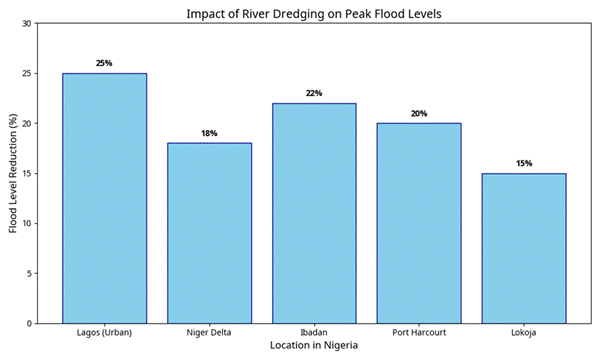
Figure 1: Bar chart illustrating the estimated percentage reduction in peak flood levels in various Nigerian locations post-dredging. Data is based on historical observations and case studies, indicating a significant positive impact on flood mitigation. [2] [3]
FAQs
Q1: How often should canals be dredged?
A1: The frequency of canal dredging depends on the rate of sediment accumulation, which is influenced by factors such as rainfall intensity, soil erosion in the catchment area, and human activities. Generally, canals in Nigeria may require dredging every 1 to 3 years to maintain optimal flow capacity.
Q2: Does dredging really stop flooding?
A2: While dredging significantly reduces the risk and severity of flooding by increasing the water-carrying capacity of rivers and canals, it is not a standalone solution to completely stop all flooding. It is most effective when integrated into a comprehensive flood management strategy that includes other measures like proper waste management, urban planning, and the construction of complementary infrastructure.
Q3: What happens to the dredged material?
A3: Dredged material, or spoil, can be utilized in various ways. Depending on its composition and quality, it can be used for land reclamation, beach nourishment, construction fill, or agricultural soil improvement. Environmentally sound disposal methods are crucial to prevent secondary environmental impacts.
Q4: Do you work with state governments?
A4: Yes, DE-PRIME actively collaborates with state governments, local authorities, and other stakeholders in Nigeria to implement large-scale flood control and environmental management projects. Our expertise and resources are aligned with national and regional development goals for flood mitigation.
Q5: What is the best time of year for dredging?
A5: The dry season, typically from November to March, is generally the most suitable time for dredging operations in Nigeria. Lower water levels and reduced rainfall during this period facilitate easier access to waterways, improve operational efficiency, and minimize disruption from adverse weather conditions.
Conclusion
River dredging and canal clearing are indispensable tools in Nigeria's fight against perennial flooding. By proactively managing waterways, communities can significantly reduce flood risks, protect vital infrastructure, and foster sustainable development. DE-PRIME stands as a leading expert in providing comprehensive flood mitigation and canal clearing services across Lagos and the Niger Delta. With a commitment to environmental stewardship and engineering excellence, we offer tailored solutions to ensure the safety and prosperity of Nigerian communities.